

The Food and Agriculture Organisation of the United Nations (FAO) has warned that global hunger is on a dangerously rising trajectory.
FAO Director- General Qu Dongyu says achieving a sustainable and food-secure world requires not just economic policy measures but strong political and social commitments.
He issued the warning on Thursday at a high-level session during the Global Review of Aid for Trade hosted by the World Trade Organisation in Geneva.
Qu said fair trade practices are part of the promotion of inclusive and equitable growth, noting that trade by nature should be complementary.
He offered five suggestions for how to improve global food insecurity, saying FAO’s modelling forecasts there will still be nearly 600 million chronically undernourished people in 2030.
First is to support growth by investing in rural infrastructure, including broadband and financial services, roads and storage facilities to improve access to markets by smallholders who produce most of the world’s food.
Second, Qu recommended, is to invest in research, development and innovation, all of which he described as part of the “bottom line for any trade policy”, to strengthen the resilience and sustainability of agrifood systems.
“This is the only way to produce more with less… Reducing food loss and waste is a third cardinal point,” Qu said.
His fourth point is to focus on smallholders and vulnerable populations, with the final point emphasising stronger global collaboration and governance to achieve a food-secure and sustainable world.
“We have to look after our own planet before it is too late,” Qu warned.
Others on the panel were Luc Magloire Mbarga Atangana, Cameroon’s Minister of Trade, Mathieu Guibolo Fanaa, Chad’s Minister of Trade and Industry and other experts.
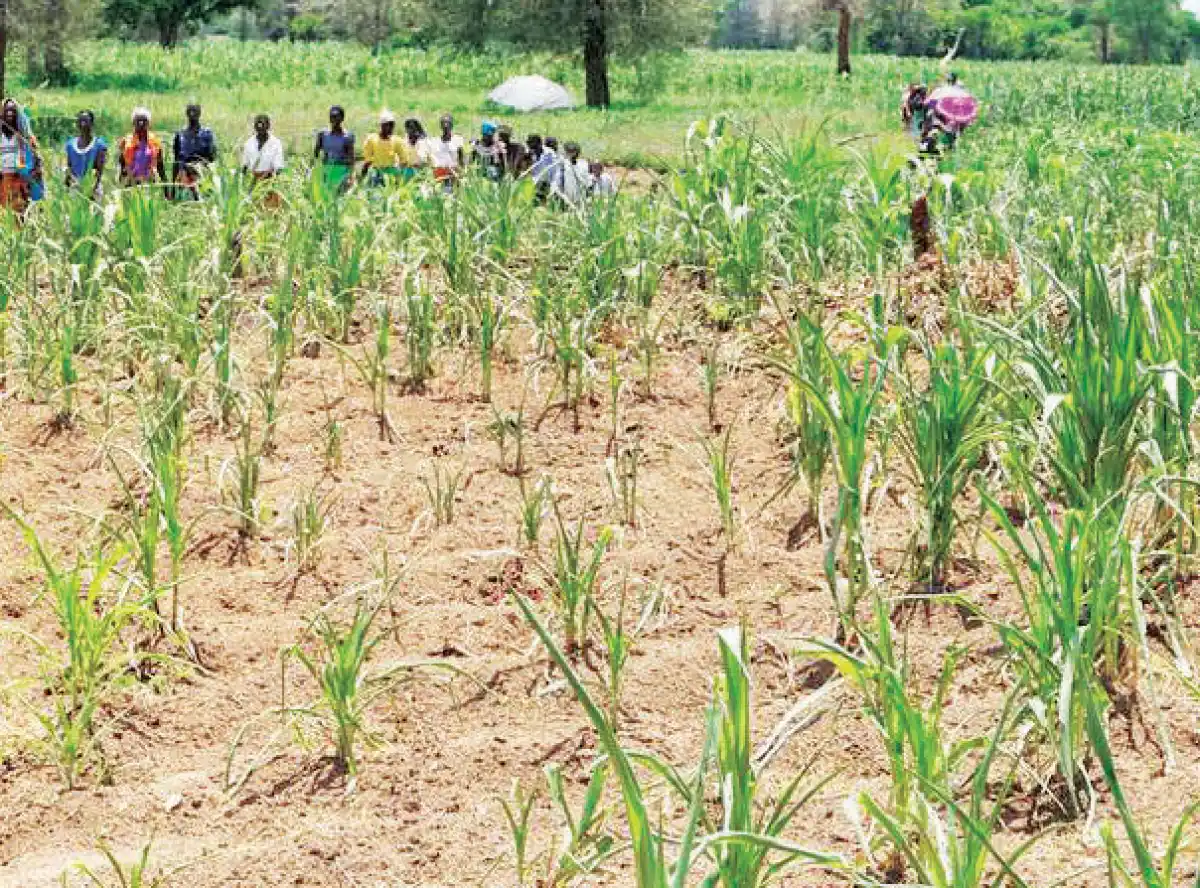
Malawi is among countries at high risk of hunger due to erratic weather patterns that have destroyed crops in fields, leaving households with little or nothing to harvest.
In March this year, President Lazarus Chakwera declared a state of disaster in 23 of the country’s 28 districts after El Nino-induced dry spells scorched crops, leaving at least two million farming households in dire need of food aid.






0 Comments